Cyprus: Snakes, Cats, and Ancient Oceanic Rocks
Cyprus: Snakes, Cats, and Ancient Oceanic Rocks
Cyprus is more than a Mediterranean holiday destination. Its identity combines wildlife, mythology, archaeology, human settlement, and deep geological history. Snakes move through its dry hills and agricultural landscapes. Cats occupy villages, ports, monasteries, and city streets. Beneath the Troodos Mountains, the Troodos Ophiolite preserves rocks formed in an ancient ocean.
These subjects share a central theme: movement and change. Animals reached and adapted to an island environment. Cats spread alongside human communities. Oceanic rocks were lifted from the seafloor and exposed on land. Satellite imagery has also prompted interpretations that Cyprus may once have consisted of two separate landmasses.
The evidence is not equally strong for every claim. The Troodos Ophiolite is a well-established geological feature, while interpretations of former island divisions require geological mapping, fieldwork, and independent research. Cultural stories about cats and snakes should likewise be distinguished from documented history.
Cyprus in Context
Cyprus lies in the eastern Mediterranean between Europe, Asia, and the Middle East. Its location has made it a meeting point for trade routes, migrating species, empires, religions, and agricultural traditions.
The island contains mountain ranges, dry lowlands, scrubland, rocky slopes, ravines, coastal plains, wetlands, agricultural fields, vineyards, olive groves, ports, and urban areas. Bedrock, elevation, rainfall, and land use create distinct habitats across a relatively compact area.
Satellite imagery helps researchers examine coastlines, mountain structures, drainage patterns, vegetation, and geological boundaries. NASA satellite imagery has been described as indicating that Cyprus may once have consisted of two separate islands. Source 7
However, satellite imagery alone cannot prove every stage of Cyprus’s geological development. Scientists compare it with field observations, geological maps, rock analysis, dating, and sea-level studies.
Cyprus as an Island of Snakes
Snakes are a natural part of Cyprus’s ecosystems. As predators, they help regulate rodents and other small animals while also serving as prey for some birds and mammals. They may occur in rocky hillsides, stone walls, dry scrubland, agricultural edges, orchards, woodland margins, wetlands, streams, and river corridors.
Most snakes avoid people, and encounters are usually brief. Risk depends on the species, location, and whether the animal is disturbed or cornered. Visitors should avoid placing their hands into rock crevices, dense vegetation, wood piles, or other sheltered spaces without checking first. Sturdy footwear and attention to the trail reduce the chance of accidental contact.
A responsible response to a snake encounter is straightforward:
- Stop and keep a safe distance.
- Give the snake a clear route away.
- Do not touch, chase, trap, or kill it.
- Do not attempt close-range identification.
- Seek emergency medical assistance immediately after a suspected bite.
A suspected bite requires professional medical assessment. Follow local emergency guidance rather than relying on informal remedies or attempting to capture the snake. Habitat loss, road mortality, persecution, pollution, and changing temperature or rainfall can threaten snake populations.
Cats in Cyprus
Cats are among the animals most closely associated with Cyprus. They appear around homes, farms, ports, monasteries, archaeological sites, and tourist areas. Some are owned pets; others are community cats or feral animals with limited human contact.
Human settlements provide food stores, shelter, and waste, which attract rodents and create opportunities for cats. People may tolerate, feed, domesticate, or transport cats because they offer companionship and pest control. Ports and agricultural communities have been especially important in their movement across the Mediterranean.
Popular stories connect cats with ancient religious institutions and historical events. These stories contribute to Cyprus’s cultural image but should be separated from claims confirmed by archaeology, historical records, or genetics.
Free-roaming cats do not all have the same status:
- Owned domestic cats: Animals cared for by a household.
- Community cats: Free-roaming cats supported by residents or local groups.
- Feral cats: Cats with little or no regular human contact.
- Unowned socialized cats: Outdoor cats that remain comfortable around people.
Food availability, reproduction, disease, traffic, abandonment, and predation affect their welfare and environmental impact. Sterilization, vaccination, identification, adoption, and responsible feeding can reduce suffering and uncontrolled population growth. Feeding alone is not a complete welfare solution: food should be provided safely, waste should be removed, and sick or injured animals should be referred to qualified veterinary services.
Responsible tourism means observing without handling unfamiliar animals, avoiding unsafe feeding practices, and supporting established local welfare programs when possible.
Ophiolites: Ancient Oceanic Crust on Land
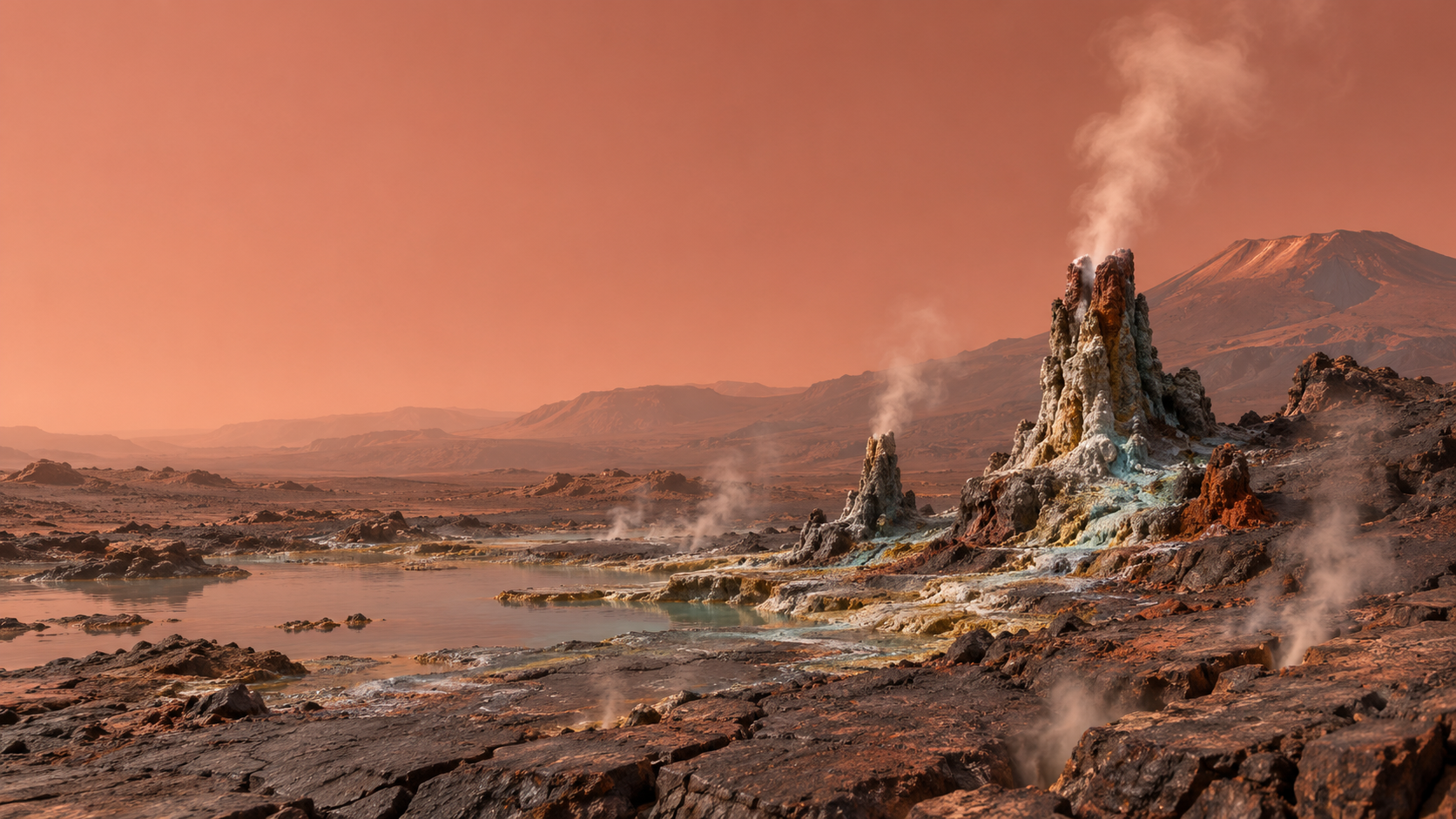
An ophiolite is a section of oceanic crust and upper mantle exposed on land. It may include peridotite, gabbro, sheeted dikes, basalt, and seafloor sediments. Faulting, erosion, alteration, and tectonic disruption can remove or rearrange parts of the original sequence.
Ophiolites allow scientists to examine rocks that normally lie beneath the ocean. They preserve evidence of seafloor spreading, magma movement, hydrothermal activity, and plate collision.
The process can be summarized as follows:
- Oceanic crust forms near a spreading environment.
- Tectonic plates move and interact.
- Portions of oceanic lithosphere are uplifted or thrust onto other crust.
- Erosion removes overlying material and exposes the rocks.
The Troodos Ophiolite is one of Cyprus’s defining geological features. It is associated with the island’s central mountain region and contains rocks linked to ancient oceanic crust. Source 3
The massif helps researchers study crust formation, fluid circulation through hot rock, and the tectonic movement of oceanic material onto land. Rock type also influences Cyprus’s soils, mineral resources, springs, vegetation, and mountain ecology.
How Cyprus May Have Changed Shape
Satellite imagery has been reported as showing patterns suggesting that Cyprus may once have been divided into two islands. Source 7
Possible explanations include former marine channels, differences in uplift and subsidence, sediment accumulation, changing sea levels, or geological structures that influenced the surface. Tectonic uplift may raise coastal areas, while sediment carried by rivers and waves may fill shallow passages. Falling sea levels can expose land bridges, and coastal erosion and deposition continually reshape shorelines.
Satellite imagery provides broad coverage and reveals surface patterns, vegetation, terrain, and coastlines. It cannot directly identify every underground structure. A visible line or color change may reflect rock differences, soil moisture, erosion, vegetation, or human land use. The two-island interpretation should therefore be treated as part of a broader scientific discussion rather than a complete reconstruction based on one image.
Connecting Snakes, Cats, and Rocks
Bedrock influences soil formation, drainage, temperature, and vegetation. These factors determine where animals find food, water, shelter, and breeding sites. Rocky landscapes create crevices and basking surfaces for reptiles, while river corridors provide seasonal water and vegetation in otherwise dry environments.
Island ecosystems are shaped by limited space and restricted gene flow. They may contain distinctive species combinations but remain vulnerable to habitat fragmentation, introduced species, disease, and rapid environmental change. Snakes represent native wildlife adapted to local conditions. Cats demonstrate a stronger human influence through settlement, transport, feeding, and abandonment.
Movement connects all three themes: snakes move through habitats shaped by climate and geology; cats move with human communities and maritime trade; oceanic rocks move through plate tectonics; and coastlines change through sea-level variation, uplift, sedimentation, and erosion.
Visiting Cyprus Responsibly
Observe animals without feeding, chasing, cornering, or handling them. Keep a safe distance from snakes and allow them to leave. Report injured wildlife to local veterinary, conservation, or municipal services.
Explore geological landscapes through recognized sites, museums, interpretation centers, and marked mountain trails. Follow access rules and avoid collecting rocks from protected or scientifically important locations.
In hot or rocky terrain, carry sufficient water, use sun protection, wear sturdy footwear, and check trail and weather conditions before setting out. Remote areas may have limited mobile coverage and few services. Follow local guidance and tell someone about your route.
Conclusion
Cyprus brings together wildlife, human history, and deep geological time. Snakes reflect the island’s ecological systems. Cats reveal a long relationship between people and animals. Ophiolites preserve fragments of ancient oceanic crust that formed beneath the sea.
Satellite imagery has also prompted interpretations that Cyprus may once have been divided into two islands. Whether viewed through biology, culture, or geology, the island is not static. It has been shaped by tectonic plates, oceans, climate, species, migration, farming, trade, and settlement.
Protecting Cyprus means preserving all these layers: habitats for native wildlife, humane conditions for free-roaming cats, and geological sites that record Earth’s ancient history.
Frequently Asked Questions
Why is Cyprus associated with snakes?
Cyprus supports native snakes in rocky terrain, scrubland, woodland, wetlands, and agricultural areas. They are predators within local food webs and may help regulate small-animal populations.
Why are cats so common in Cyprus?
Cats have long lived around Cypriot homes, farms, ports, settlements, and religious sites. Their numbers are influenced by food availability, human care, reproduction, abandonment, and local animal-management practices.
What is an ophiolite?
An ophiolite is a section of ancient oceanic crust and upper mantle exposed on land. It may contain peridotite, gabbro, basalt, sheeted dikes, and seafloor sediments.
What is the Troodos Ophiolite?
The Troodos Ophiolite is a major geological formation in Cyprus’s central mountain region. It preserves rocks associated with ancient oceanic crust and provides evidence of seafloor processes and tectonic movement.
Was Cyprus once two separate islands?
Satellite imagery has been described as suggesting that Cyprus may once have consisted of two islands. This interpretation requires comparison with geological mapping, tectonic research, sediment studies, sea-level history, and field evidence.
How should visitors respond to a snake encounter?
Keep a safe distance and allow the snake to move away. Do not touch, chase, trap, or kill it. Anyone who suspects a snakebite should seek emergency medical assistance immediately.