Hobbies That Support Mood and Brain Health
Hobbies That Support Mood and Brain Health
Enjoyable hobbies can do more than fill spare time. They may support mood, reduce daily stress, strengthen social connection, and keep the brain engaged through learning, planning, memory, and problem-solving.
The best hobby is not necessarily the one with the strongest marketing claim. It is usually an activity you enjoy, can perform safely, and can repeat consistently.
Hobbies do not replace professional mental-health care, sufficient sleep, regular physical activity, or medical treatment. They can complement those foundations. If persistent sadness, anxiety, memory problems, or changes in daily functioning continue, contact a qualified healthcare professional.
What Makes a Hobby Good for the Brain?
Enjoyment and Emotional Reward
A hobby is easier to maintain when it feels rewarding. Enjoyable activities can provide relaxation, self-expression, anticipation, and a sense of accomplishment. They can also create a break from work, household responsibilities, and repetitive worries.
Personal preference matters. One person may feel restored by gardening, while another may prefer a language class, strategy game, or quiet drawing. An activity does not need to be popular or expensive to support well-being. It needs to fit your interests and circumstances.
Mental Challenge
Mentally stimulating hobbies require active participation. They may involve learning, remembering instructions, planning steps, solving problems, coordinating movement, or adapting to new information.
A suitable challenge should be demanding without becoming overwhelming. A beginner learning a song, completing a puzzle, or practicing a new recipe may need to concentrate and correct mistakes. That active effort differs from completely passive entertainment, although passive activities can still provide relaxation.
Increase difficulty gradually. Try a more complex pattern, a harder puzzle, a longer piece of music, or a more advanced project. The goal is engagement, not frustration.
Regular Practice
Consistency matters more than occasional intense sessions. A short activity performed several times each week may be easier to sustain than a demanding hobby attempted once a month.
Start with a realistic routine. Two 15-minute sessions may be more useful than an ambitious plan that quickly disappears. There is no universal amount of hobby time that guarantees better mood or brain health.
Social Connection
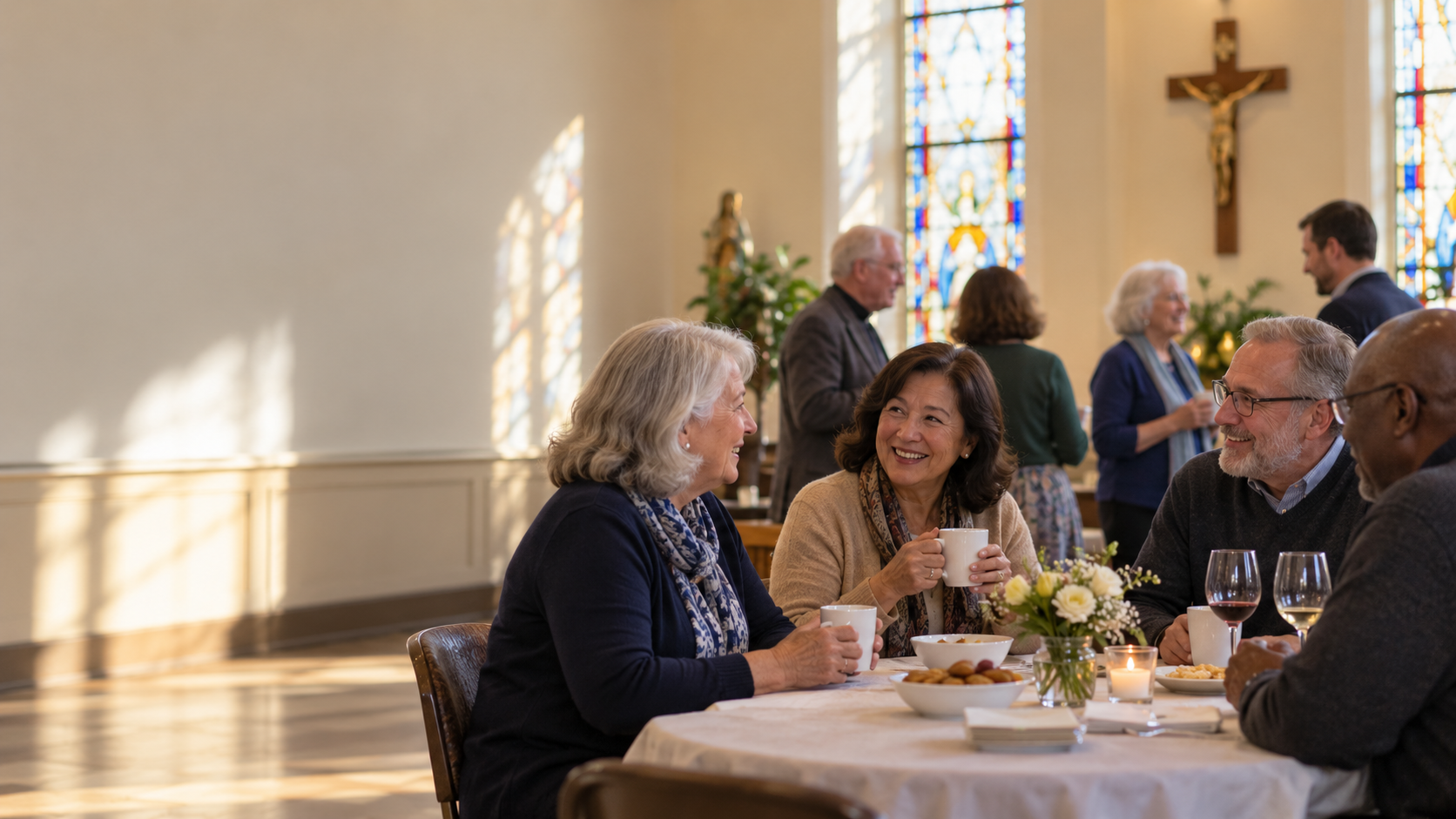
Group hobbies can support mood through conversation, shared goals, accountability, and belonging. Book groups, community classes, craft circles, volunteer programs, and music groups offer regular contact with other people.
Solitary hobbies also have value. Reading, sketching, gardening, journaling, puzzles, and photography can provide focus and satisfaction for people who prefer independent activities. The strongest option is the format that encourages regular participation.
Hobbies That May Support Mood and Mental Well-Being
Creative Hobbies
Creative hobbies include writing, drawing, painting, photography, music, woodworking, cooking, knitting, design, and other forms of making. They can support:
- Self-expression.
- Focused attention.
- A sense of progress.
- Problem-solving.
- Satisfaction from creating something tangible.
Adapt creative activities to your schedule. Write one paragraph, sketch one object, practice one chord progression, or prepare one simple recipe. A 15-minute project reduces the pressure to produce something impressive.
Set process-based goals, such as practicing for 15 minutes or trying three color combinations, rather than judging the finished result. Skill usually develops through repeated practice, not perfect first attempts.
Learning-Based Hobbies
Learning-based hobbies may engage memory, concentration, flexible thinking, and attention. Options include:
- Studying a language.
- Learning a musical instrument.
- Taking an art, cooking, or technology class.
- Exploring history, science, or literature.
- Learning practical skills such as gardening or repair.
Choose a subject with personal meaning. Someone who enjoys travel may prefer language learning, while someone interested in family history may enjoy genealogy. Meaningful interests create stronger reasons to continue.
Learning a skill does not guarantee protection from dementia or other neurological conditions. Evidence from one activity, population, or study design may not apply to everyone. Treat learning as a source of engagement and enjoyment rather than a medical guarantee.
Puzzles, Games, and Problem-Solving Activities
Crosswords, logic puzzles, board games, strategy games, card games, and number puzzles can engage planning, reasoning, memory, and attention. Social games add conversation and shared goals.
Active participation matters. Solving a puzzle, planning a move, or remembering rules involves different mental engagement from simply watching content about games. Passive entertainment can still be restful, but it should not automatically be described as equivalent to mentally stimulating practice.
Vary your activities. Alternate word puzzles with strategy games, memory tasks, or collaborative board games. Evidence involving one specific game does not necessarily apply to all games or prove broad cognitive benefits.
Outdoor and Nature-Based Hobbies
Outdoor hobbies may combine movement, daylight, sensory stimulation, and exposure to nature. Gardening, birdwatching, nature photography, purposeful walking, and nature journaling are accessible options for many people.
Gardening can involve planning and problem-solving as well as light physical activity. Birdwatching encourages observation and memory. Photography invites attention to detail. A purposeful walk can add structure to movement by focusing on architecture, local history, or changing seasons.
People with mobility limitations can adapt these hobbies through container gardening, balcony plants, seated birdwatching, accessible photography locations, or indoor nature journaling.
Movement-Based Hobbies
Enjoyable physical activities can support mood while contributing to overall health. Dancing, swimming, cycling, yoga, recreational sports, walking, and tai chi can function as hobbies rather than formal workouts.
Choose an activity appropriate for your fitness level, balance, mobility, and medical needs. Beginners might start with gentle dancing, short walks, water exercise, or chair-based movement. A healthcare professional or qualified instructor can help people with chronic conditions or injury concerns choose suitable options.
Movement-based hobbies are not cures for depression, anxiety, cognitive decline, or other health conditions. They can form part of a broader plan that includes medical care when needed.
Social and Community Hobbies
Social hobbies can reduce isolation and create structure. Options include:
- Book groups.
- Craft circles.
- Community classes.
- Volunteering.
- Group music.
- Theater or performance activities.
- Recreational sports.
- Discussion groups.
Shared goals can make participation easier. A volunteer shift, weekly rehearsal, or scheduled class creates accountability and opportunities for friendship. Online groups can help people who lack transportation or live far from local organizations.
Three Features of Brain-Supportive Hobbies
Brain-supportive hobbies often share three practical features:
- They are mentally stimulating. They involve learning, planning, remembering, problem-solving, coordinating actions, or adapting to change.
- They are meaningful or enjoyable. Interest improves motivation and makes regular participation more likely.
- They encourage consistent engagement. A repeatable routine provides structure, practice, and connection.
Increase complexity carefully. Learn a new technique, take on a longer project, or change the rules of a familiar game. The activity should require attention without becoming frustrating.
How to Choose the Right Hobby
Match the Hobby to Your Goal
- For relaxation: Try reading, gentle gardening, drawing, photography, or nature observation.
- For social connection: Try clubs, classes, volunteering, team activities, or group music.
- For mental challenge: Try languages, puzzles, strategy games, music, or creative problem-solving.
- For physical and emotional benefits: Try dancing, swimming, cycling, yoga, or recreational sports.
Many hobbies provide more than one benefit. A walking group may combine movement, conversation, and outdoor exposure.
Consider Time, Cost, and Accessibility
Compare hobbies by equipment, travel, physical demand, instruction, and setup. Low-cost starting points include libraries, public parks, community centers, free lessons, lending programs, and local volunteer organizations.
Try an activity before buying specialized supplies. Borrow equipment, use basic materials, or attend an introductory session.
Choose an Appropriate Difficulty Level
A good beginner activity should feel interesting rather than overwhelming. Start with short sessions and simple goals. Adjust for vision, hearing, mobility, energy, or concentration limitations.
An instructor may help modify movements, lighting, tools, or instructions. Accessibility supports participation; it does not reduce the value of the hobby.
Test Before Committing
Try three activities for two to four weeks. After each session, ask:
- How was my mood before and after?
- Did I enjoy the activity?
- Did it hold my attention?
- Did it create social contact?
- Is it affordable and accessible?
- Am I likely to continue?
Keep the activity that feels beneficial and realistic. Discontinue or modify one that creates persistent stress.
How Much Time Should You Spend on a Hobby?
There is no single ideal amount of hobby time. Available time, health, responsibilities, energy, and personal goals differ.
Start with one of these schedules:
- Two 15-minute sessions each week.
- One longer weekend session.
- Five minutes of daily language or music practice.
- One weekly group activity.
Consistency matters more than perfection. Do not sacrifice sleep, essential responsibilities, or necessary medical care to make time for a hobby.
How to Build a Sustainable Hobby Habit
Put It on the Calendar
Assign a day and time. Pair the activity with an existing routine, such as practicing after breakfast or walking before dinner. Prepare materials in advance.
Reduce Friction
Keep equipment visible and accessible. Use a convenient location. Begin with the smallest version of the activity, such as one page, one puzzle, or five minutes of practice.
Track the Experience, Not Only the Results
Record enjoyment, stress, energy, concentration, and accomplishment. Skill and productivity are not the only measures of success. Adjust the activity if motivation declines.
Add Variety
Alternate creative, social, physical, and mentally challenging activities. Introduce difficulty gradually and take a break when the hobby becomes stressful or overly competitive.
Common Mistakes to Avoid
Choosing a Hobby Only Because It Is Supposed to Be Good for You
An unsuitable hobby rarely becomes a lasting habit. Interest, accessibility, and comfort matter. Choose an activity you can imagine repeating.
Expecting Immediate Results
Benefits may be gradual and vary by person. Do not expect a hobby to prevent or treat a mental-health or neurological condition.
Making the Hobby Too Competitive
Excessive comparison can remove enjoyment. Focus on personal progress, curiosity, and participation.
Treating Passive Consumption as Active Engagement
Watching videos about a hobby differs from practicing it. Passive activities can be relaxing, but they may provide different cognitive and social experiences.
A Simple Weekly Hobby Plan
- Monday: 15 minutes of language learning, music practice, or another learning activity.
- Wednesday: 30 minutes of drawing, writing, cooking, crafting, or puzzles.
- Friday: 30 minutes of a book group, class, volunteer activity, or social game.
- Weekend: 30–45 minutes of gardening, walking, photography, dancing, yoga, or another safe movement activity.
Replace these suggestions with activities you enjoy and can perform safely. Review your mood, energy, focus, and engagement after four weeks.
Conclusion
Hobbies may support mood and brain health through enjoyment, challenge, movement, learning, creativity, and social connection. No single activity works for everyone, and research about one hobby should not automatically be generalized to all activities.
Begin with one manageable option. Schedule short sessions, make participation convenient, and evaluate how the activity affects your mood and attention. If memory concerns, persistent mood changes, or other symptoms interfere with daily life, seek professional support.
Frequently Asked Questions
What hobbies are best for mood and brain health?
Creative hobbies, learning activities, puzzles, outdoor interests, movement-based hobbies, and community activities can all be useful. The best choice depends on your interests, abilities, health, schedule, and access.
How often should I do a hobby to support brain health?
Consistency is more important than occasional long sessions. Start with short, repeatable sessions and increase gradually if the activity remains enjoyable.
Can hobbies prevent dementia or other brain conditions?
No hobby can guarantee prevention. Hobbies may support cognitive engagement and overall well-being, but research does not prove that a particular activity prevents dementia. Consult a healthcare professional about memory or thinking concerns.
Are social hobbies better than solitary hobbies?
Not necessarily. Social hobbies can provide connection, accountability, and conversation. Solitary hobbies can support focus, relaxation, creativity, and personal satisfaction. Choose the format that encourages regular participation.
What is a good hobby for someone with little free time?
Try puzzles, journaling, language practice, sketching, reading, brief walks, or short music sessions. Two or three 15-minute sessions may be easier to maintain than waiting for a large block of free time.
How can I start a new hobby without spending much money?
Use libraries, public parks, free online lessons, community centers, lending programs, and secondhand equipment. Test an activity before buying specialized supplies. Basic materials and simple goals are enough for most beginners.